Snake Plant Care: The Nearly Unkillable Houseplant
If you've ever killed a plant by loving it too much, the snake plant is here to restore your confidence. This tough, sculptural beauty practically thrives on being forgotten, making it one of the most forgiving houseplants you can bring home. I keep one on a shadowy bookshelf where nothing else survives, and it just keeps growing.
Quick Facts
| Light | Tolerates low light; happiest in bright indirect light |
| Water | Every 2–4 weeks; let soil fully dry out |
| Soil | Fast-draining cactus or succulent mix |
| Difficulty | Very easy — beginner-proof |
| Time to Maturity | Slow grower; new leaves over months, not weeks |
| USDA Zone | Grown indoors nationwide; outdoors only in zones 9–11 |
Light: Where to Put It
Snake plants are famous for handling almost any light, which is why they're a staple on lists of low-light houseplants that won't die.
- Best growth: bright, indirect light near an east or north window, or a few feet back from a bright south/west window.
- Will survive: low-light corners, hallways, and offices with only artificial light.
- Avoid: long hours of harsh, direct sun through glass, which can scorch the leaves.
The less light your plant gets, the slower it grows and the less water it needs. That's normal — it's not unhappy, just resting.
Watering: The One Thing That Matters Most
Almost every struggling snake plant is a victim of overwatering. When in doubt, wait.
The simple rhythm
- Water only when the soil is completely dry, top to bottom.
- In bright spots, that's often every 2–3 weeks; in low light or winter, every 4–6 weeks.
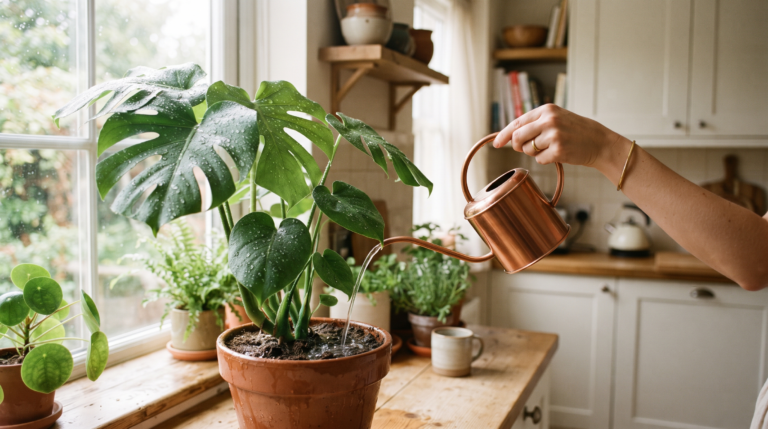
- Pour water until it runs out the drainage hole, then empty the saucer so roots never sit in water.
Stick a finger deep into the pot or use a wooden skewer — if it comes out clean and dry, it's time. If you're still nervous about timing, our guide on how to water houseplants walks through the basics. Underwatering is easy to fix; overwatering causes root rot that can quietly kill the plant.
Soil, Pots & Repotting
Drainage is everything for this plant.
- Soil: use a fast-draining cactus or succulent mix, or add a handful of perlite to regular potting soil.
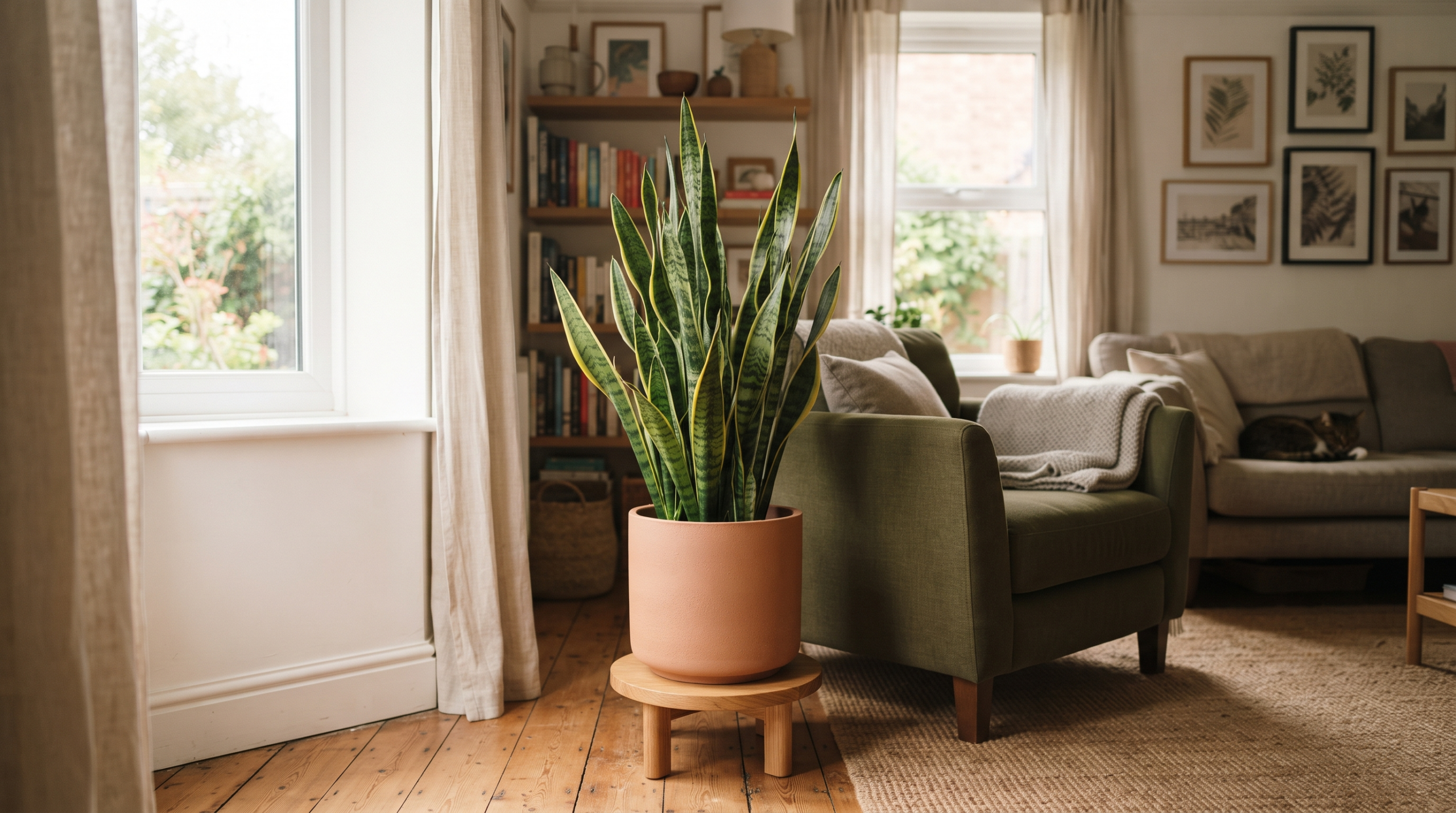
- Pot: always choose a container with a drainage hole. Terracotta is a great choice because it wicks away extra moisture.
- Repotting: snake plants actually like being a little snug, so repot only every 2–3 years, or when roots crack the pot or push out the top.
When you do repot, go up just one pot size. A too-big pot holds too much wet soil, which is exactly what this plant hates.
Humidity, Feeding & Propagation
Snake plants are wonderfully low-maintenance beyond light and water.
Humidity & temperature
- Average home humidity is perfect — no misting needed.
- Keep them above 50°F and away from cold drafts.
Feeding
- Feed lightly with a diluted houseplant fertilizer only during spring and summer, about once a month. Skip it entirely in fall and winter.
Propagation
You have two easy options:
- Division: at repotting time, gently separate the root clumps and pot them up individually — the fastest, most reliable method.
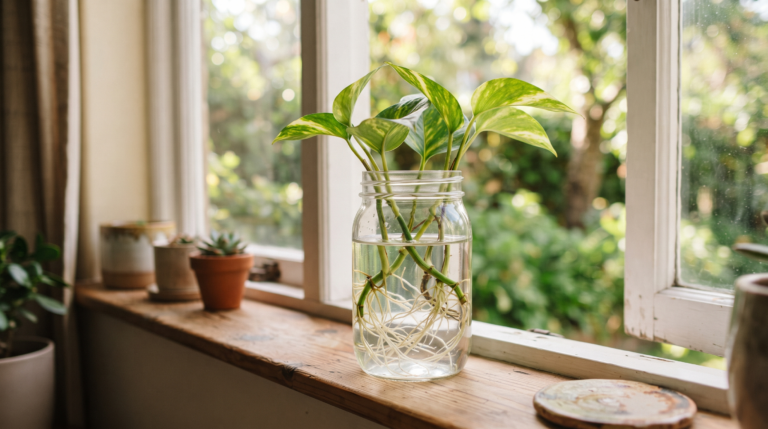
- Leaf cuttings in water: cut a healthy leaf into sections and let them root in water, similar to propagating pothos in water. This is slower, and variegated types may lose their yellow edges.
Tips
- When unsure whether to water, wait a few more days — dry is always safer than soggy.
- Dust the broad leaves occasionally with a damp cloth so they can soak up light.
- Snake plants release oxygen at night, making them a popular bedroom pick.
- Rotate the pot a quarter turn every few weeks for even, upright growth.
- Use a heavy or terracotta pot for tall varieties — top-heavy leaves can tip lightweight plastic.
Common Problems
Mushy, soft, or yellowing leaves at the base
This is overwatering and possible root rot. Let the soil dry out completely, trim any mushy roots, repot in fresh dry mix, and water far less often. See our overview of yellow leaves on plants for more clues.
Wrinkled, curling, or leaning leaves
Usually underwatering after a long dry spell. Give a thorough drink and the leaves should plump back up within a week or so.
Brown, crispy leaf tips
Often from inconsistent watering or, less commonly, harsh direct sun. Even out your watering rhythm and move it slightly out of intense afternoon light.
Tiny flies around the soil
These are fungus gnats, a sign the soil stays too wet. Let it dry out fully and check out how to get rid of fungus gnats.
Varieties to Try
- 'Laurentii' — classic tall leaves with bright yellow edges
- 'Zeylanica' — deep green with wavy silvery bands
- 'Moonshine' — pale silvery-green, soft and modern looking
- 'Cylindrica' — round, spear-like cylindrical leaves
- Bird's Nest ('Hahnii') — compact rosette perfect for small shelves
- 'Black Coral' — dark, dramatic foliage with subtle green marbling