How to Water Houseplants (Stop Overwatering)
If you've ever loved a plant to death with too much water, you are in very good company. Overwatering is the number one way beginners accidentally harm their houseplants, and the fix is simpler than you think. Let's build a watering rhythm that keeps your plants thriving without the guesswork.
Quick Facts
| Light | Most houseplants prefer bright indirect light |
| Water | Water when the top 1–2 inches of soil feel dry |
| Soil | Well-draining potting mix in a pot with drainage holes |
| Difficulty | Easy once you learn to read the soil |
| Time to Maturity | N/A — this is a care skill, not a plant |
| USDA Zone | Indoors year-round in any zone; find yours in our [USDA hardiness zones guide](/usda-hardiness-zones-explained/) |
How to Actually Water (The Right Way)
Forget watering on a fixed schedule like clockwork. Plants drink at different speeds depending on light, temperature, and season, so a calendar reminder will lead you astray. Instead, check the soil and water only when the plant needs it.
The finger test
- Stick your finger 1–2 inches into the soil.
- If it feels dry at that depth, it's time to water.
- If it feels cool and damp, wait a few days and check again.
Water thoroughly, then drain
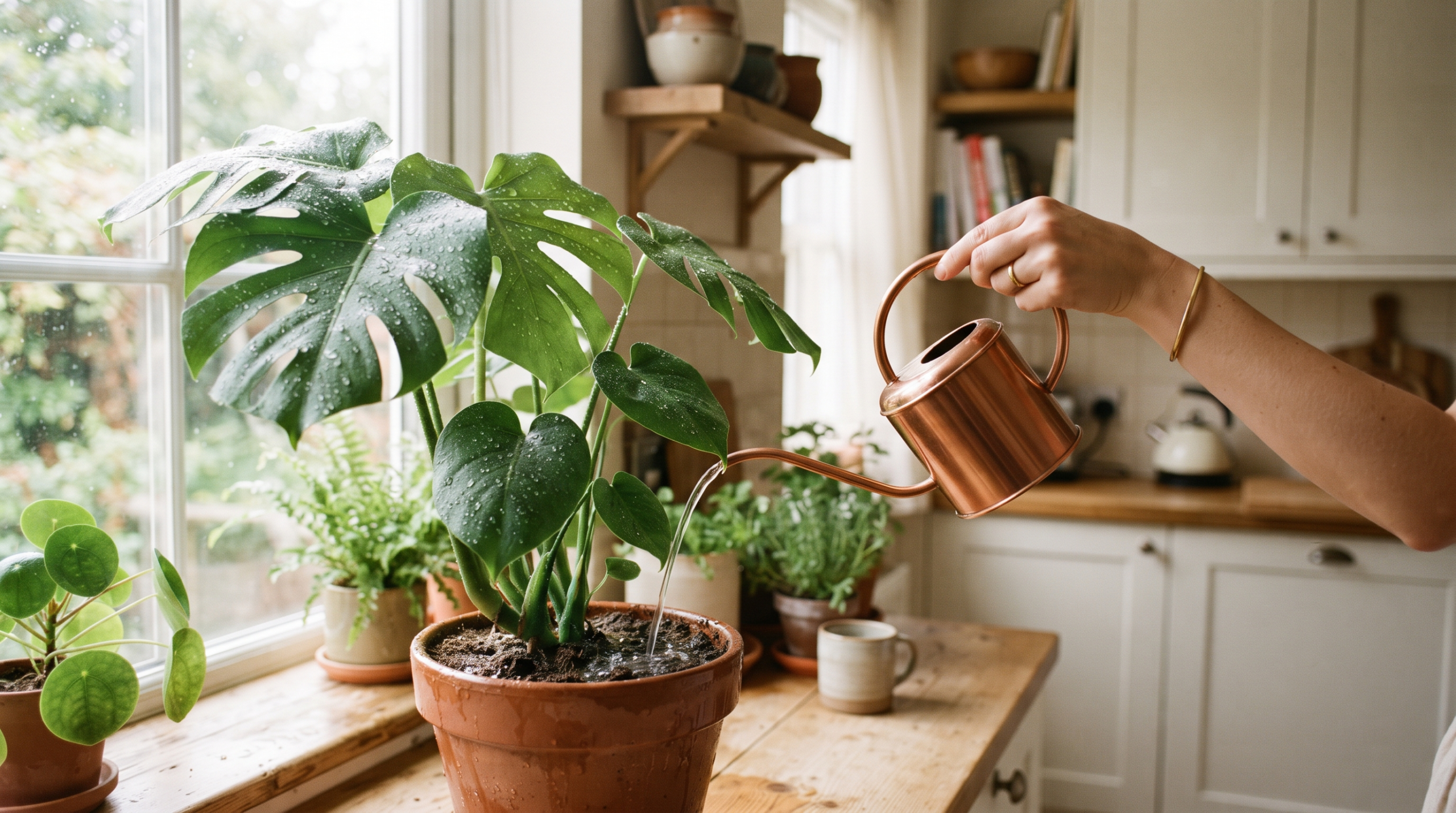
When you do water, do it deeply. Pour slowly until water runs out the drainage holes, then let the pot drain completely. This encourages strong, deep roots and flushes out built-up salts.
Never let a pot sit in a saucer of standing water. Soggy roots can't breathe, and that's what leads to root rot.
Why Overwatering Happens (and How to Stop It)
Overwatering is rarely about the amount of water in one sitting — it's about watering too *often*, before the soil has had a chance to dry out. Roots need air pockets in the soil, and constantly wet soil drowns them.
Signs you're overwatering
- Yellowing leaves (see our guide on yellow leaves on plants)
- A musty or sour smell from the soil
- Mushy stems or soft, dark roots
- Persistent fungus gnats buzzing around the soil
Signs you're underwatering
- Crispy, brown leaf edges
- Drooping that perks up quickly after watering
- Soil pulling away from the sides of the pot
Interestingly, both problems can cause droopy, sad-looking plants. If your peace lily is flopping, our guide on why your peace lily is drooping will help you tell the difference.
Drainage, Pots, and Potting Mix
Good watering starts before you ever pick up the watering can — it starts with the right setup.
Always use drainage holes
A pot without drainage holes traps water at the bottom where roots sit. If you love a decorative pot without holes, use it as a "cachepot": keep the plant in a plain nursery pot with holes and set that inside the pretty one.
Choose a well-draining mix
- Standard potting mix works for most leafy houseplants.
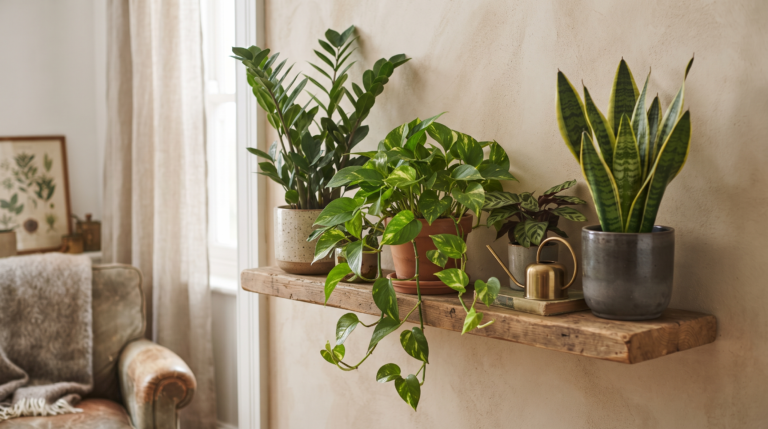
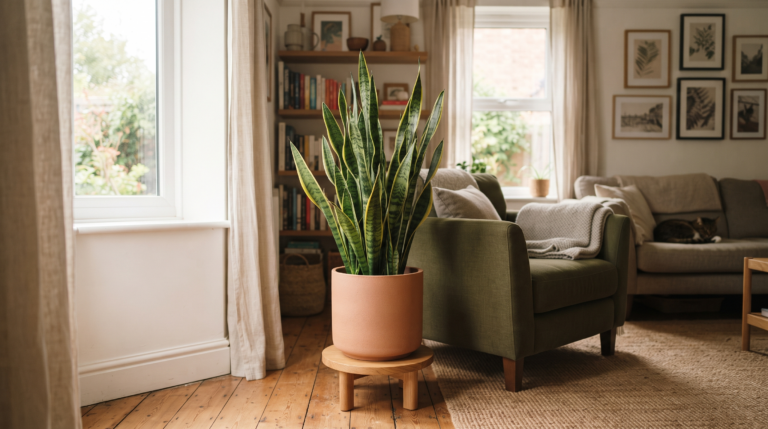
- Add perlite or bark for plants that like to dry out, like succulents and snake plants.
- Avoid dense garden soil indoors — it compacts and stays soggy.
Right-size the pot
A pot that's too big holds a lot of wet soil the roots can't reach, which stays damp too long. Go up just 1–2 inches in diameter when you repot.
Light, Humidity, and Seasonal Rhythm
Watering doesn't happen in a vacuum — light and season change how thirsty your plant is.
Light drives watering
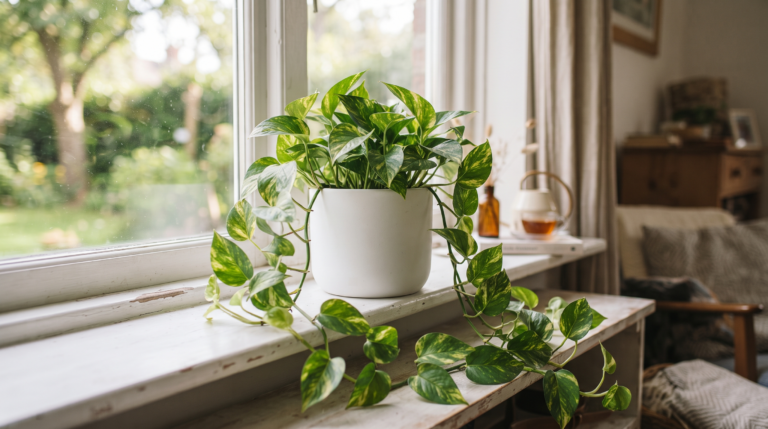
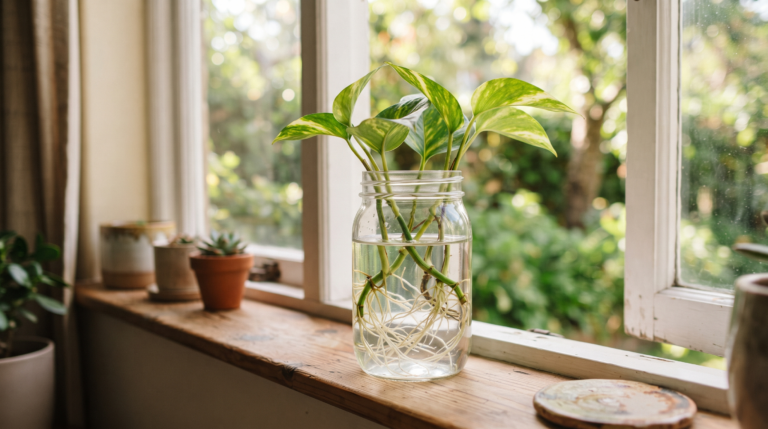
A plant in bright indirect light will use water faster than the same plant in a dim corner. Forgiving beginner plants like pothos adapt to a range of light and clearly tell you when they're thirsty by drooping slightly.
Water less in winter
Most houseplants slow their growth in the shorter, cooler days. Expect to water noticeably less often in fall and winter, then more often as spring growth kicks in.
Humidity is not the same as watering
Tropical plants enjoy humidity, but misting leaves is not a substitute for watering the roots. If your air is dry, group plants together or use a small humidifier rather than overwatering the soil.
Tips
- When in doubt, wait a day. It's far easier to revive a slightly thirsty plant than a waterlogged one.
- Lift the pot — a light pot usually means dry soil, a heavy pot means it's still wet.
- Use room-temperature water; cold water can shock tropical roots.
- Empty the saucer 15–30 minutes after watering so roots never sit in water.
- Group plants with similar water needs together so you can care for them as a team.
Common Problems
Leaves turning yellow and soil stays wet for days
Classic overwatering. Let the soil dry out fully, check that the pot drains freely, and repot into fresh well-draining mix if the roots smell sour or look mushy.
Tiny flies hovering around the pot
Fungus gnats love consistently damp topsoil. Let the top inch or two dry between waterings and check our fungus gnat guide for a full fix.
Crispy brown leaf tips despite regular watering
This is often underwatering or low humidity, not overwatering. Water more thoroughly until it drains out the bottom, and consider raising humidity for tropical plants.
Water runs straight through and the plant stays thirsty
The soil has dried into a hard, water-repellent lump. Soak the whole pot in a basin of water for 20–30 minutes to rehydrate the root ball, then let it drain.
Varieties to Try
- Pothos — droops clearly when thirsty, very forgiving
- Snake plant — drought-tolerant, water sparingly
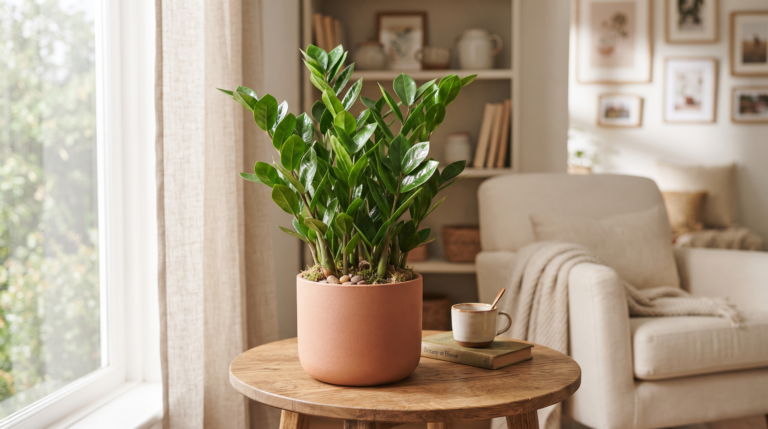
- ZZ plant — stores water, easy to overwater
- Peace lily — dramatic drooper that recovers fast
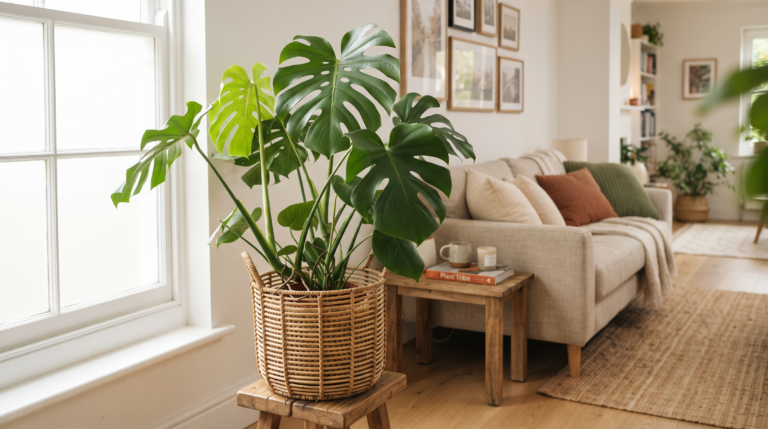
- Monstera — likes to dry slightly between waterings
- Succulents — soak-and-dry watering only