USDA Hardiness Zones Explained (Find Yours)
If you've ever wondered why a plant thrives in your neighbor's yard but sulks in yours, USDA hardiness zones hold the answer. Learning your zone is one of the most useful things you can do as a new gardener, and it takes about two minutes. Let's find yours and put it to work.
Quick Facts
| Light | Varies by plant; most edibles want full sun (6+ hours) |
| Water | Depends on crop and climate; zones don't set watering needs |
| Soil | Well-draining soil suits most plants regardless of zone |
| Difficulty | Easy concept, beginner-friendly |
| Time to Maturity | N/A — zones guide timing, not growth speed |
| USDA Zone | All zones 1–13; find yours to plan correctly |
What a USDA Hardiness Zone Actually Tells You
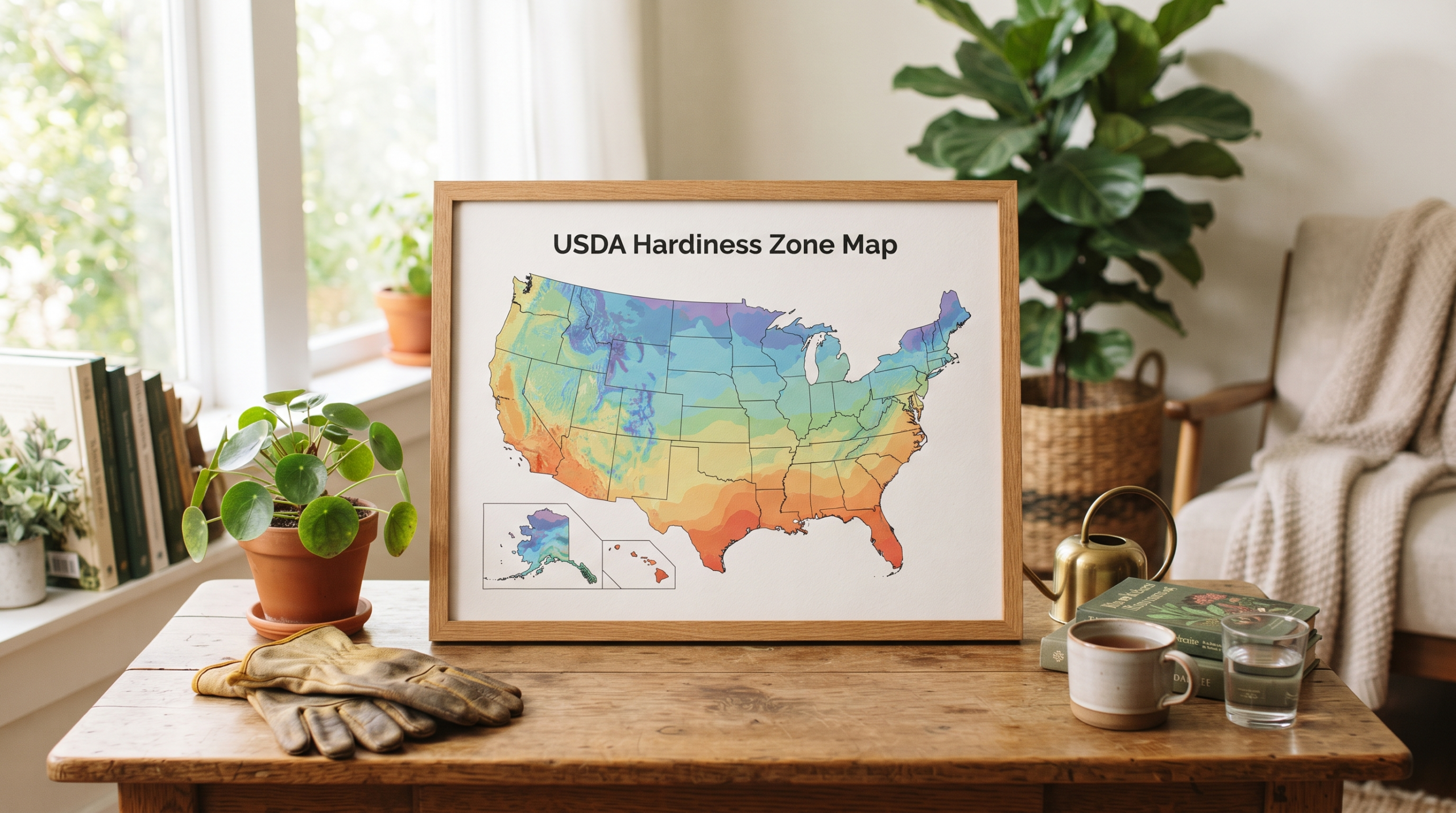
A USDA hardiness zone is based on the average annual lowest winter temperature in your area. The map divides the US into zones numbered 1 (coldest) through 13 (warmest), each split into an "a" and "b" half.
Here's the key thing to understand:
- Your zone tells you which perennials, shrubs, and trees can survive winter outdoors in your area.
- It is a measure of cold hardiness only — it does not tell you about summer heat, rainfall, humidity, or your last frost date.
- A plant tag that says "hardy to zone 5" means it should survive winters in zones 5 and warmer.
So zones are a starting point for *what will live year after year*, not a full growing calendar.
How to Find Your Zone in Two Minutes
The quick method
1. Search for the USDA Plant Hardiness Zone Map online (the official tool is free). 2. Enter your ZIP code. 3. Write down your zone, including the letter (for example, 6b or 9a).
That's it. Keep that number somewhere handy — a note on your phone or a garden journal.
Also find your average last frost date
Your zone and your last spring frost date are two different things, and beginners often confuse them. The last frost date tells you *when* it's safe to plant tender crops outside. Look up your local frost dates by ZIP code too, since they can vary a lot even within one zone.
Using Your Zone to Plan (Without Calendar Dates)
Once you know your zone and frost date, you can time everything relative to *your* conditions instead of a fixed calendar date.
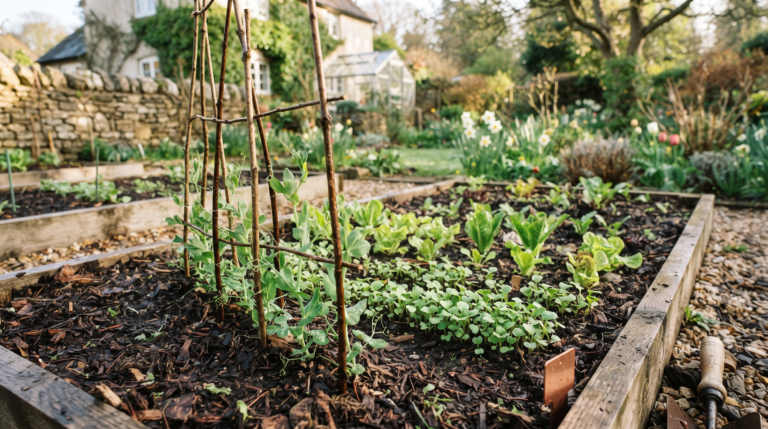
- Cold-hardy crops (lettuce, peas, spinach) often go out several weeks before your last frost. See what to plant in early spring for ideas.
- Warm-season crops (tomatoes, peppers, basil) go out *after* your last frost has passed and the soil has warmed.
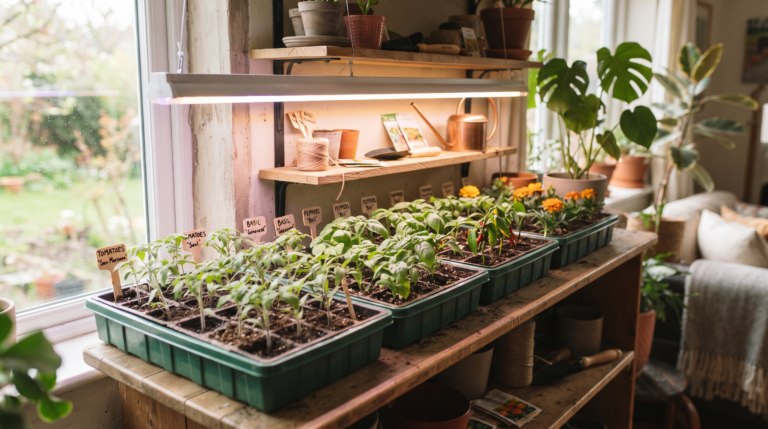
- Starting seeds indoors is usually timed 4–8 weeks before your last frost, depending on the crop. Our guide on when to start seeds indoors walks through the math.
If you're building your first plot, how to plan your first vegetable garden ties your zone into a full plan.
Zones for Houseplants and Container Growing
Here's some good news: if you grow indoors or in pots you can move, your outdoor zone matters much less.
- Most houseplants are tropical and treated as year-round indoor plants in every zone. A pothos or a snake plant doesn't care what your winter low is, because it lives in your living room.
- Container gardeners in cold zones can grow tender plants all summer, then bring pots indoors or treat them as annuals.
- Indoor conditions (light and humidity) drive success far more than your zone — which is why a drooping peace lily usually points to watering or light, not climate.
So don't let a chilly zone stop you: your windowsill is its own little climate.
Tips
- Write down both your zone AND your average last frost date — they answer different questions.
- When buying perennials, check the tag's hardiness range against your zone before you commit.
- Zone tells you winter survival; heat, rain, and frost dates shape day-to-day timing.
- Microclimates matter: a south-facing wall or sheltered patio can run warmer than your official zone.
- Frost dates are averages — watch the forecast and be ready to cover tender plants late in spring.
Common Problems
You planted a 'hardy to zone 7' perennial in zone 5 and it died over winter.
Choose plants rated to your zone number or lower (colder). In borderline cases, mulch heavily or grow it in a pot you can shelter.
You set tomatoes out too early and a late frost damaged them.
Wait until after your average last frost date and soil has warmed. Cover plants or delay if a cold night is forecast.
You confused your zone with your planting date and missed the window.
Remember: zones = winter cold survival, frost dates = when to plant. Use both together to time your season.
Varieties to Try
- Zones 3–5: short, cool summers — great for peas, lettuce, kale, and cold-hardy perennials
- Zones 6–7: balanced seasons that suit most common vegetables and herbs
- Zones 8–9: long, warm seasons ideal for peppers, tomatoes, and some overwintering
- Zones 10–11: near frost-free, allowing year-round growing and many tropicals outdoors
- Zones 1–2: very short seasons where containers and cold frames really shine