Monstera Care for Beginners
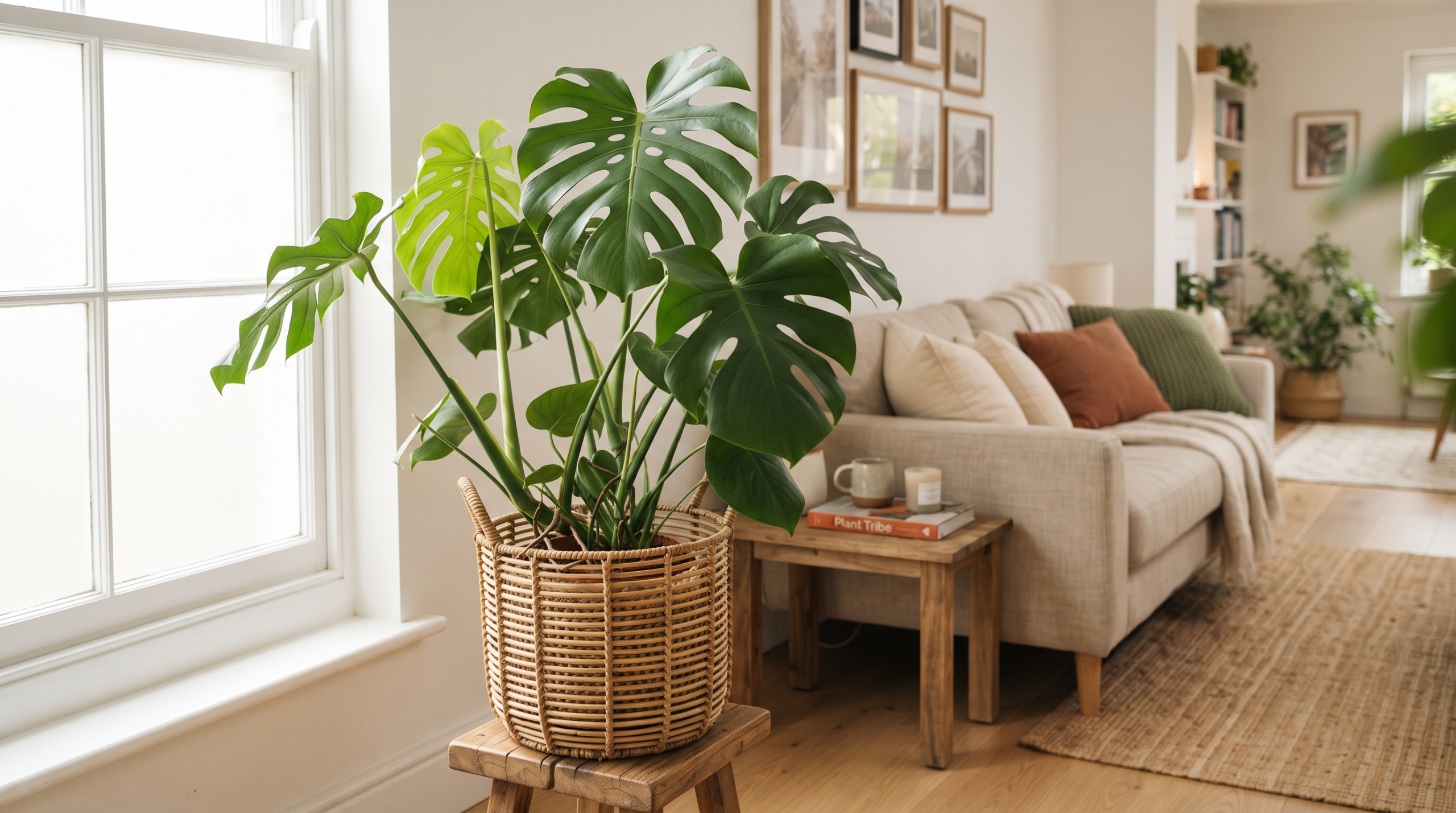
If you've been eyeing those gorgeous, glossy split leaves but worry you'll somehow kill a Monstera within a month, take a deep breath—you're in exactly the right place. The truth is, Monstera deliciosa is one of the most forgiving statement plants you can bring home, and it practically tells you what it needs. Let's grow a big, happy jungle plant together, one leaf at a time.
Quick Facts
| Light | Bright, indirect light |
| Water | When top 1–2 inches of soil are dry |
| Soil | Chunky, well-draining aroid mix |
| Difficulty | Easy to moderate |
| Time to Maturity | Fenestrated leaves in 2–3 years |
| USDA Zone | Indoors anywhere; outdoors only in zones 10–12 |
First, Let's Calm That New-Plant Panic
Most beginners assume Monsteras are fussy divas. They're not. In their native rainforests, they climb up trees in dappled light and dry out between rains—which means they're built to handle a little neglect far better than a little overlove.
The single biggest thing to remember: Monsteras would rather be too dry than too wet. If you only learn one rule, let it be that one. Overwatering causes far more Monstera deaths than anything else.
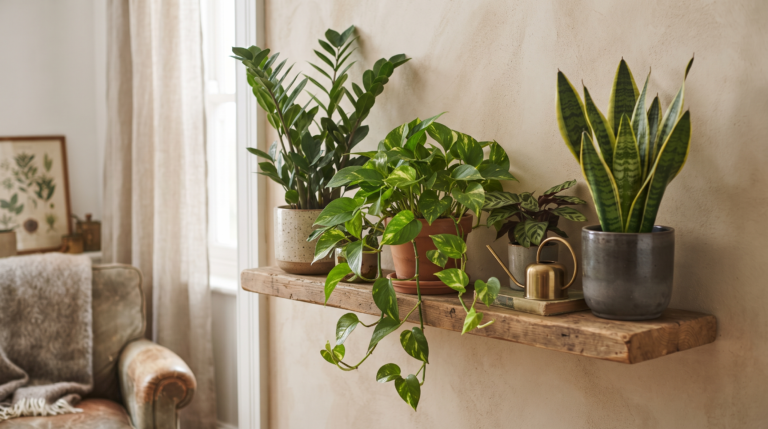
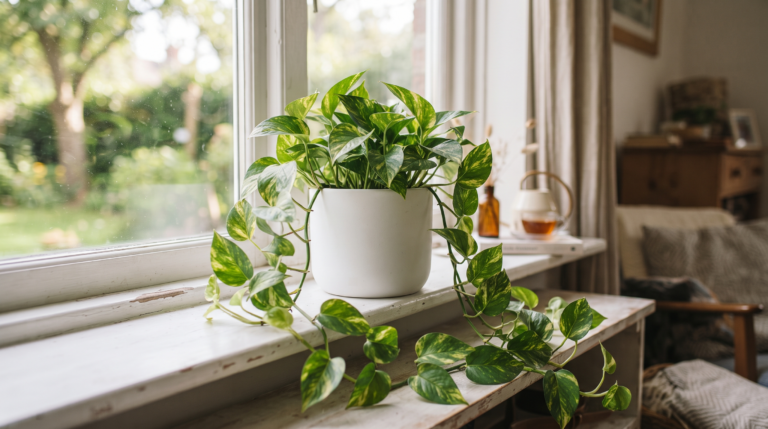
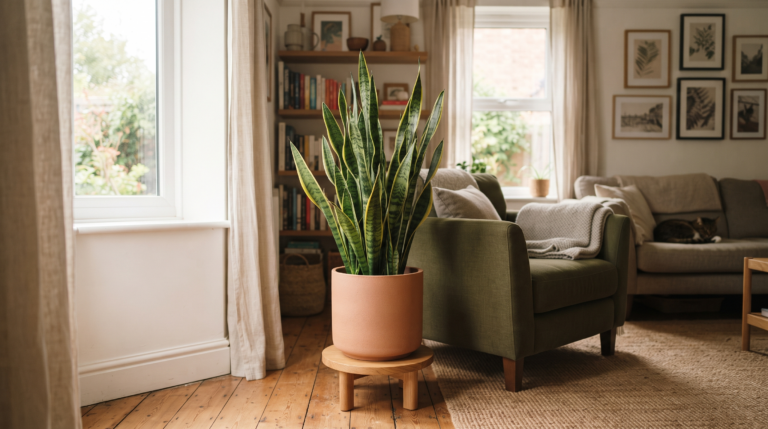
If you've killed plants before and want to build confidence first, a snake plant or pothos are nearly indestructible companions to practice on.
Light and Placement
Monsteras want bright, indirect light—think a few feet back from a sunny window, or right beside an east-facing one.
- Too little light: slow growth and solid leaves with no splits (those famous holes are called fenestrations).
- Too much direct sun: scorched, bleached patches on the leaves.
Finding the sweet spot
A good test: hold your hand where the plant will sit at midday. If it casts a soft, fuzzy shadow, that's perfect indirect light. A sharp, dark shadow means the light is too direct.
Rotate the pot a quarter turn every week or two so it grows evenly instead of leaning toward the window.
Watering, Soil, and Humidity
Water only when the top 1–2 inches of soil feel dry to your finger. Then water thoroughly until it drains from the bottom, and empty the saucer so roots never sit in water.
Depending on your home, this usually lands somewhere between every 1–2 weeks—but always check the soil, not the calendar. For a deeper walkthrough, see how to water houseplants.
Soil
Use a chunky, well-draining mix. A great DIY blend is roughly:
- 2 parts standard potting soil
- 1 part orchid bark
- 1 part perlite
This mimics the airy, fast-draining conditions Monsteras love.
Humidity
Monsteras enjoy humidity but tolerate average home air just fine. If your leaves get crispy brown edges, group plants together or run a small humidifier nearby.
Repotting and Propagation
Repot every 1–2 years, or when you see roots creeping out the drainage holes. Move up just one pot size—too big a jump holds excess moisture around the roots.
Give it something to climb
In the wild, Monsteras climb. A moss pole or trellis encourages bigger, more dramatically split leaves indoors.
Easy propagation
Monsteras propagate beautifully from stem cuttings:
- Cut just below a node (the bump where a leaf and aerial root meet).
- Place the cutting in water in bright, indirect light.
- Change the water weekly; roots appear in a few weeks.
- Pot up once roots are 2–3 inches long.
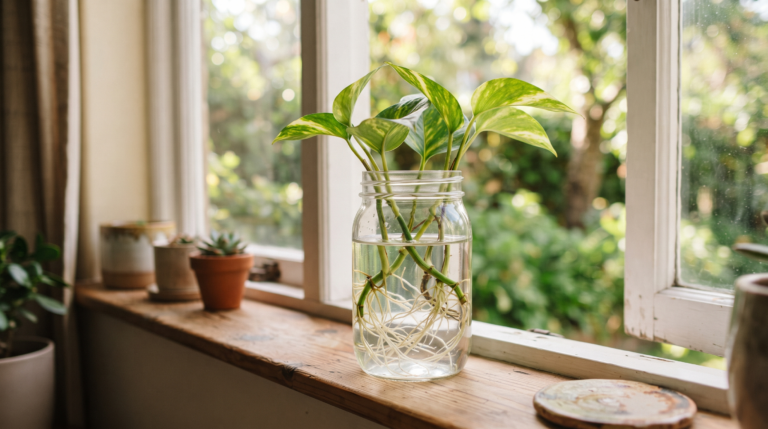
If you enjoy water propagation, the same technique works wonders for propagating pothos in water.
Tips
- Wipe the big leaves with a damp cloth monthly so they can soak up light.
- Those dangling aerial roots are normal—tuck them into a moss pole or leave them be.
- Feed with a balanced, diluted liquid fertilizer monthly during spring and summer.
- No fenestrations yet? Give it more light and a pole to climb, then be patient.
- Always use a pot with a drainage hole—this alone prevents most beginner disasters.
Common Problems
Yellowing leaves
Usually overwatering. Let the soil dry more between waterings and check that the pot drains freely. See yellow leaves on plants for more causes.
Crispy brown leaf edges or tips
Often low humidity or inconsistent watering. Boost humidity and keep a steadier watering rhythm.
Drooping leaves
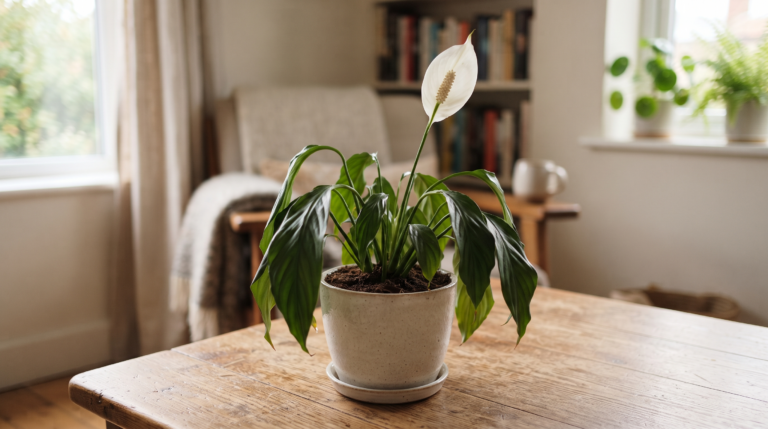
Check the soil first—both underwatering and overwatering cause droop. If it feels dry, water; if soggy, hold off. Similar troubleshooting applies to a drooping peace lily.
Tiny flies around the pot
Those are fungus gnats, a sign of soil staying too wet. Let the soil dry out and treat with the steps in how to get rid of fungus gnats.
Varieties to Try
- Monstera deliciosa — the classic large split-leaf
- Monstera adansonii — smaller 'Swiss cheese' leaves with lacy holes
- Monstera deliciosa 'Thai Constellation' — creamy variegated leaves
- Monstera 'Albo Variegata' — striking white-splashed foliage
- Monstera deliciosa 'Compacta' — a more space-friendly dwarf form