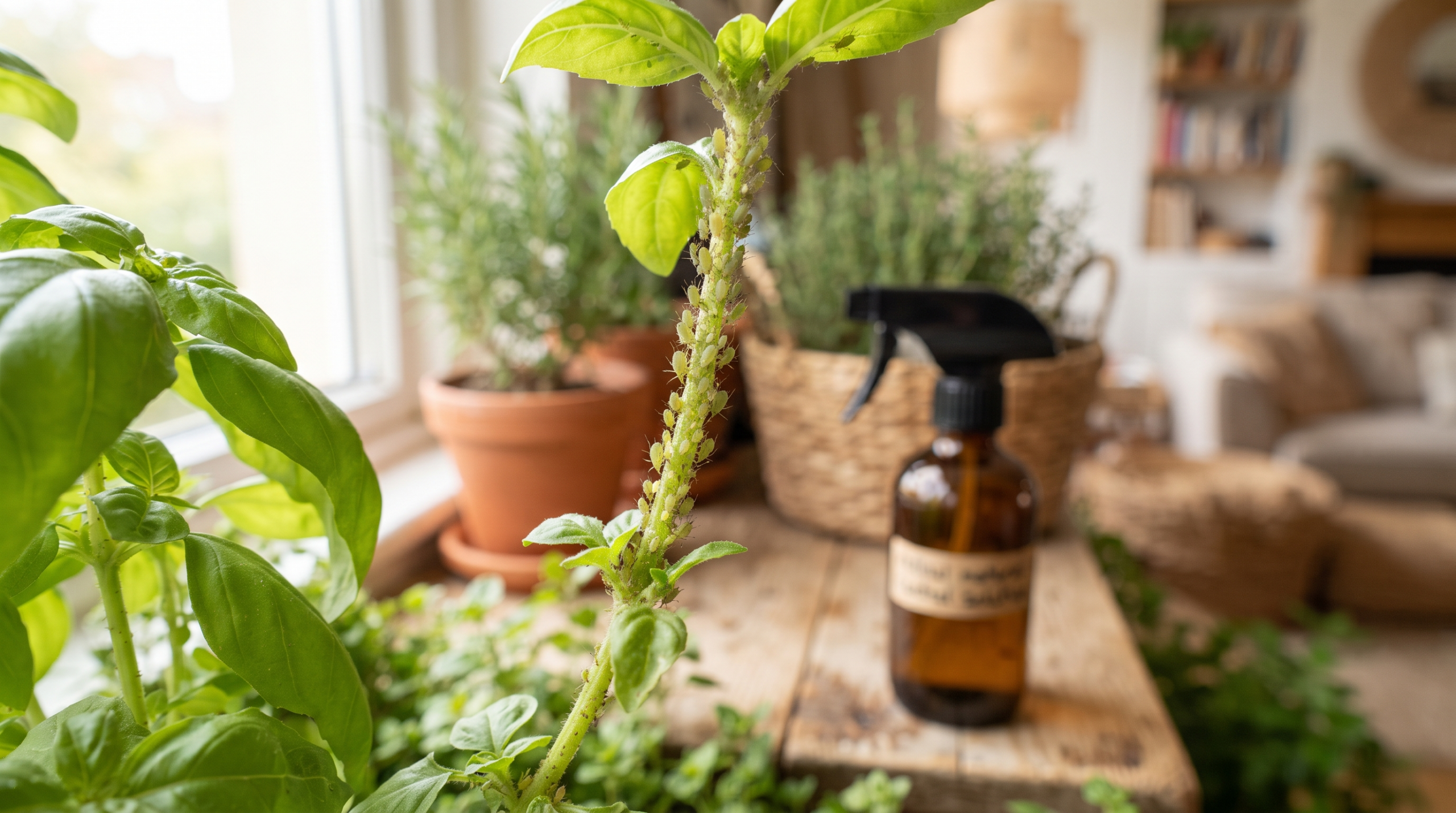
How to Get Rid of Aphids Naturally
If you've just spotted a cluster of tiny green bugs crowding the underside of your favorite plant's leaves, take a deep breath—you haven't done anything wrong, and this is one of the most fixable problems in gardening. Aphids are incredibly common, and I've battled them on everything from my basil to my roses. The good news is you can beat them with simple, natural methods you probably already have at home.
Quick Facts
| Light | Most affected plants want bright light; stressed, shaded plants attract more aphids |
| Water | Keep soil evenly moist but not soggy—drought-stressed plants are more vulnerable |
| Soil | Well-draining soil; avoid over-fertilizing, which triggers soft, aphid-friendly growth |
| Difficulty | Easy to manage once caught early |
| Time to Maturity | Visible improvement in 1–2 weeks with consistent treatment |
| USDA Zone | Aphids appear in all zones, indoors and out—find your zone with our [USDA zones guide](/usda-hardiness-zones-explained/) |
How to Identify Aphids
Before you treat anything, make sure aphids are really the culprit. They're tiny (about the size of a pinhead) and come in green, black, yellow, pink, or white.
Signs to look for
- Soft-bodied, pear-shaped bugs clustered on new growth and the undersides of leaves
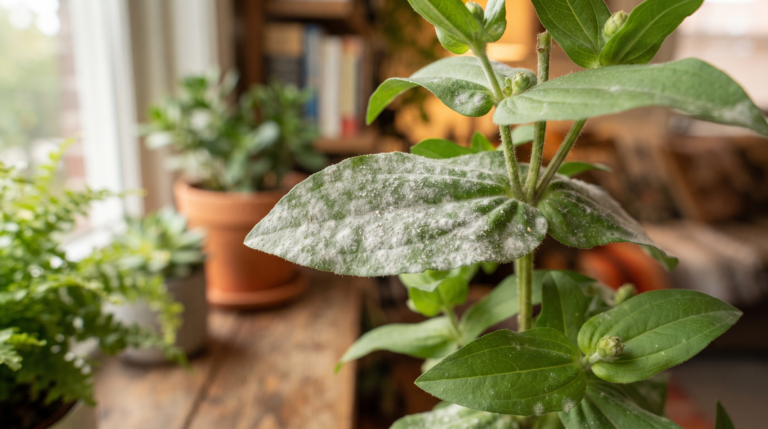
- Sticky, shiny residue on leaves or the surface below the plant (this is called honeydew)
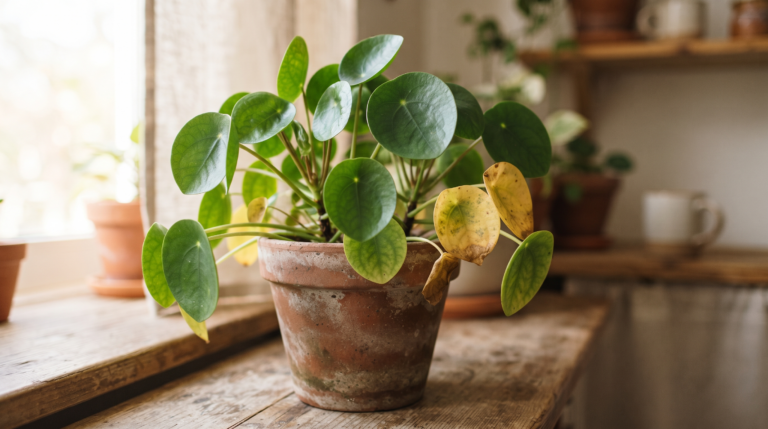
- Curled, yellowing, or distorted leaves
- Black sooty mold growing on the sticky residue
- Ants marching up and down the stems—they farm aphids for honeydew
If you're seeing yellowing but no bugs, your issue may be something else entirely—check our guide on yellow leaves on plants to compare.
What Causes an Aphid Outbreak
Aphids don't appear because you're a bad plant parent—they're opportunists looking for tender, easy meals.
- Soft new growth: Over-fertilizing (especially with high-nitrogen feed) creates lush, weak growth aphids love.
- Stressed plants: Drought, overwatering, or poor light weaken plants and make them targets. If a plant is already struggling—like a drooping peace lily—it's more inviting to pests.
- New arrivals: Aphids often hitchhike in on new plants or fresh cut flowers.
- Warm, sheltered spots: Indoors and greenhouses let aphids breed year-round without natural predators.
Common Problems (Catch These Early)
Because aphids multiply fast, the biggest mistakes are waiting too long or treating too gently. See the `common_problems` list below for the quickest fixes to the traps most beginners fall into.
Step-by-Step Natural Fixes
Work through these in order—start gentle and escalate only if needed.
1. Blast them off
Take the plant to a sink, shower, or hose and spray the leaves (especially undersides) with a firm stream of water. This alone knocks off most of the colony. Repeat every few days.
2. Wipe by hand
For houseplants, wipe leaves with a damp cloth or a cotton swab dipped in a little soapy water. Great for sturdy-leaved plants like a pothos or snake plant.
3. Insecticidal soap spray
Mix 1 teaspoon of mild liquid dish soap (no bleach or degreasers) into 1 quart of water. Spray thoroughly on all surfaces, including leaf undersides. Rinse after a few hours to avoid leaf burn. Test on one leaf first.
4. Neem oil
For stubborn infestations, apply neem oil per the label instructions, spraying in the evening to avoid leaf scorch. Repeat weekly until clear.
5. Invite predators (outdoors)
Ladybugs, lacewings, and hoverflies devour aphids. Plant flowers like alyssum and marigolds to attract them naturally.
How to Prevent Aphids Coming Back
Once you've won the battle, keep them away with a few simple habits.
- Inspect weekly: Check new growth and leaf undersides so you catch the next wave early.
- Quarantine new plants for a week or two before adding them to your collection.
- Ease up on nitrogen fertilizer—slow, steady feeding creates tougher growth.
- Keep plants healthy: Right light and consistent watering make plants far more resistant. If you're unsure how much to water, our houseplant watering guide walks you through it.
- Rinse leaves periodically to disrupt any early colonies before they explode.
Tips
- Always spray leaf undersides—that's where aphids hide and breed.
- Treat in the evening or out of direct sun to prevent soapy or oily sprays from burning leaves.
- Deal with ants too; they protect aphids from predators.
- Isolate an infested houseplant so it doesn't spread to neighbors.
- Be persistent—repeat treatments every few days for 2 weeks to break the breeding cycle.
Common Problems
Aphids keep coming back a few days after you treat.
You're likely missing eggs and hidden bugs on leaf undersides. Re-treat every 3–4 days for at least two weeks to catch newly hatched aphids.
Leaves turned yellow or scorched after spraying.
Your soap or neem mix was too strong or applied in direct sun. Dilute more, spray in the evening, and rinse the leaves a few hours later.
Sticky honeydew and black sooty mold remain after the bugs are gone.
Wipe leaves with a damp, mildly soapy cloth to remove residue. The mold is harmless and will fade once the honeydew source is cleared.
Ants are all over the plant.
Ants farm aphids for honeydew and chase off predators. Remove the aphids and block ant access by placing pots on saucers of water or using sticky barriers on stems.
Varieties to Try
- Green peach aphid (common on vegetables and houseplants)
- Black bean aphid (clusters on stems and new growth)
- Melon/cotton aphid (yellow-green, hits cucurbits and many crops)
- Woolly aphid (white, waxy, cotton-like coating)
- Rose aphid (pink to green, loves rose buds)
- Cabbage aphid (grayish, waxy, on brassicas)