Growing Lettuce in Containers (Fast Harvest)
Lettuce might be the most rewarding first crop you can grow in a container. It sprouts fast, tolerates cool weather, and you can start snipping leaves in just a few weeks. I love keeping a pot right by my back door so I can grab a handful for lunch without ever touching a grocery bag.
Quick Facts
| Light | 4–6 hours of sun; tolerates part shade |
| Water | Keep soil consistently moist, never soggy |
| Soil | Loose, rich potting mix with good drainage |
| Difficulty | Very easy—great for beginners |
| Time to Maturity | Baby leaves in 3–4 weeks; full heads in 6–8 weeks |
| USDA Zone | Grows in nearly all zones as a cool-season crop |
Pick the Right Container
Lettuce has shallow roots, so you don't need anything deep—but you do need drainage.
- Depth: 6–8 inches is plenty for leaf lettuce.
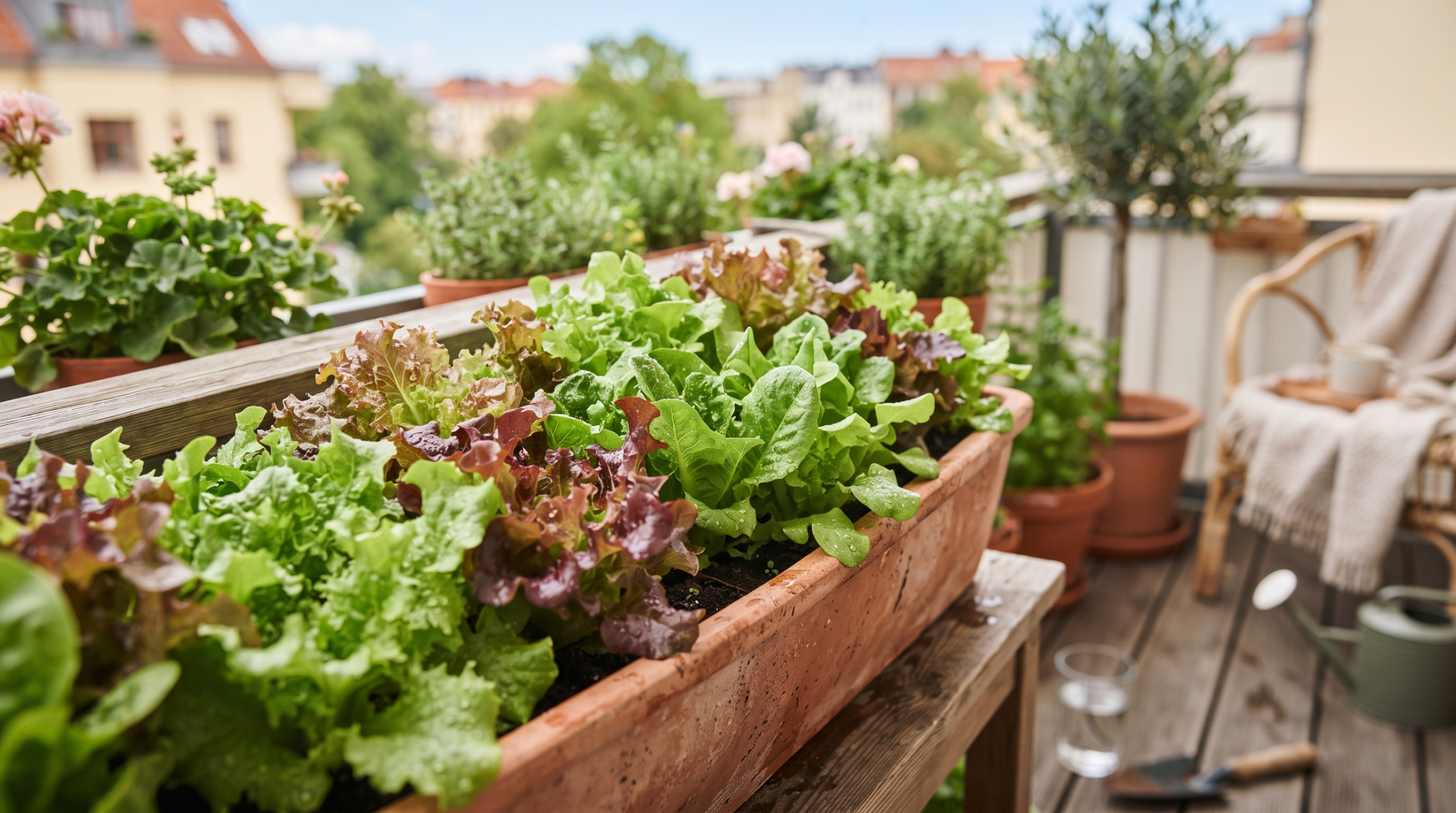
- Width: Wider is better than deeper. A 10–12 inch pot or a window box lets you grow several plants.
- Drainage: Make sure there are holes in the bottom. Standing water rots lettuce roots fast.
Material matters, too. Terracotta dries out quickly in warm weather, while plastic and glazed ceramic hold moisture longer. If you tend to forget watering, lean toward plastic. If your pot has no drainage, don't skip it—soggy soil is the number one reason container greens fail, just like it is for the drooping peace lily.
Soil, Sun, and Feeding
Soil
Fill your container with a light, fluffy potting mix—not garden soil, which compacts and drains poorly in pots. Mixing in a handful of compost gives your lettuce a rich start.
Sun
Lettuce is a cool-season crop and actually appreciates a little shade in warm weather.
- 4–6 hours of sun is ideal.
- In hot climates, afternoon shade keeps leaves tender and slows bolting (going to seed).
- Indoors, a bright windowsill works, though you'll get faster growth outside.
Feeding
Lettuce grows quickly and likes steady nutrition. Feed every 2–3 weeks with a balanced, diluted liquid fertilizer. Because you harvest the leaves, avoid overdoing nitrogen-heavy products right before eating.
Planting and Timing
Lettuce loves cool weather, so timing revolves around your frost dates rather than the calendar.
- Spring: Sow seeds outdoors 2–4 weeks before your last expected frost. Lettuce shrugs off light frosts.
- Fall: Sow again 6–8 weeks before your first fall frost for a second harvest.
- Hot summers: Take a break or move pots into shade—heat makes lettuce bitter and bolt.
Not sure when your frosts land? Look up your growing conditions in USDA hardiness zones explained, then count back from there.
How to sow: Scatter seeds thinly over moist soil and cover with just ¼ inch of mix—they need light to germinate well. Keep the surface damp, and you'll see sprouts in 5–10 days. Thin seedlings to about 4–6 inches apart for loose-leaf types.
Watering and Harvesting
Watering
Containers dry out faster than garden beds, and lettuce has shallow roots, so consistency is key.
- Check the top inch of soil daily—water when it feels dry.
- Aim for evenly moist, never waterlogged.
- In heat, you may need to water once or even twice a day.
Harvesting
Here's the best part: lettuce is a cut-and-come-again crop.
- Baby leaves: Start snipping outer leaves once they're 3–4 inches tall (around 3–4 weeks).
- Full plants: Loose-leaf and romaine are ready in 6–8 weeks.
- Always harvest the outer leaves first, leaving the center to keep producing.
Morning is the best time to pick—leaves are crisp and full of water. Once you've got the hang of it, try pairing your lettuce pot with quick herbs like basil grown indoors for instant salads.
Tips
- Sow a small pinch of seeds every 1–2 weeks for a continuous supply instead of one big harvest.
- Harvest in the cool of morning for the crispest, sweetest leaves.
- Move containers into afternoon shade as temperatures climb to delay bolting.
- Keep the soil surface consistently damp until seeds germinate—drying out even once can stall sprouting.
- Loose-leaf varieties regrow faster than heading types, making them ideal for containers.
Common Problems
Plants bolt (send up a tall stalk and turn bitter)
Bolting is triggered by heat and long days. Provide afternoon shade, keep soil moist, and switch to heat-tolerant varieties in warm months.
Leggy, floppy seedlings
This usually means too little light. Give seedlings 4–6 hours of sun or a bright window. See more in why are my seedlings falling over.
Yellowing leaves
Often caused by overwatering or hungry plants. Let the top inch dry between waterings and feed with a diluted liquid fertilizer. More help in yellow leaves on plants.
Chewed leaves and holes
Slugs and aphids love tender lettuce. Handpick slugs in the evening, and rinse or treat aphids as shown in how to get rid of aphids naturally.
Varieties to Try
- 'Black Seeded Simpson' – fast, reliable loose-leaf classic
- 'Buttercrunch' – tender butterhead that's slow to bolt
- 'Salad Bowl' – frilly leaves, perfect for cut-and-come-again
- 'Little Gem' – compact mini romaine ideal for small pots
- 'Red Sails' – colorful, heat-tolerant loose-leaf
- 'Merlot' – deep burgundy leaves packed with antioxidants