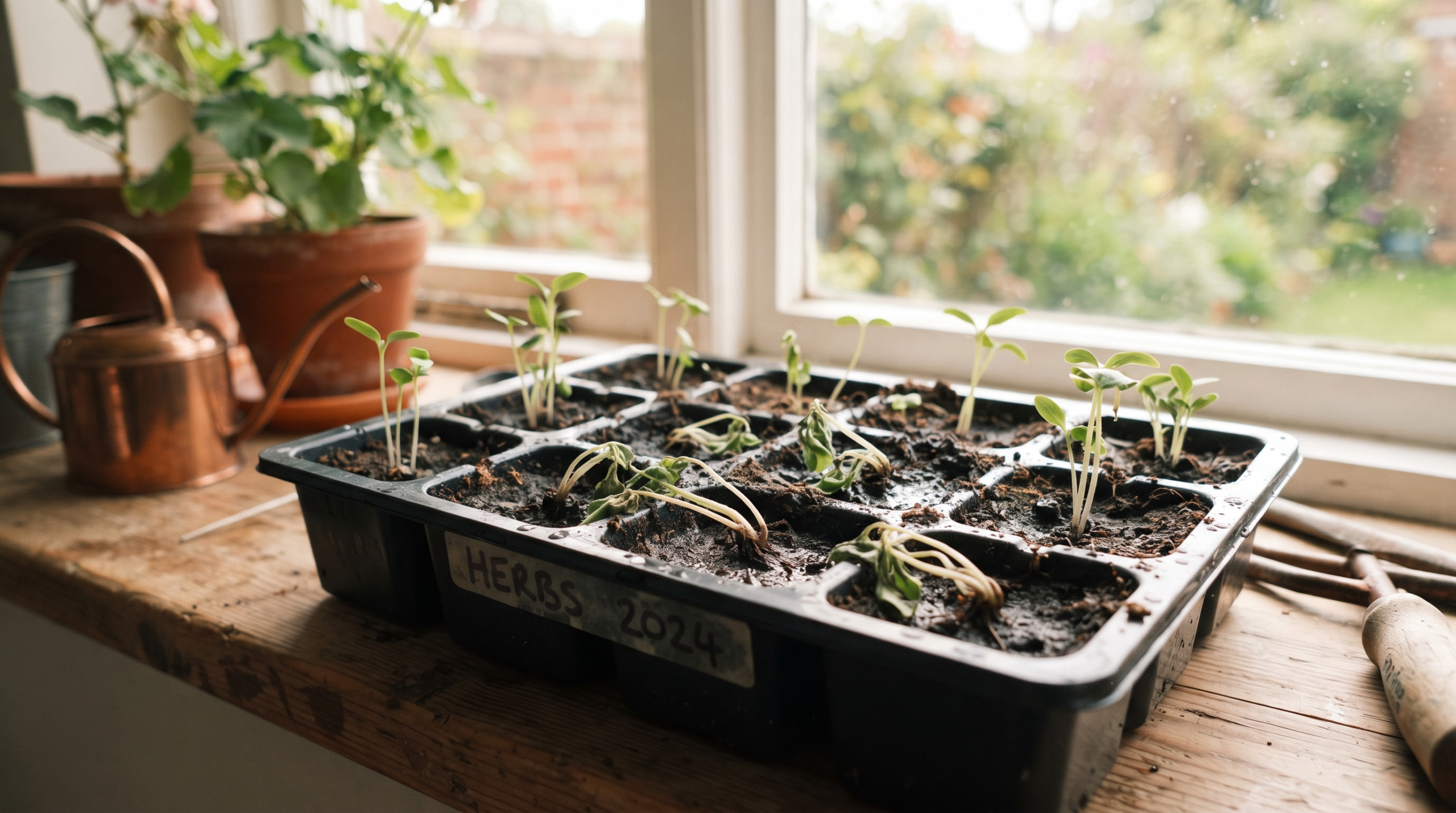
Why Are My Seedlings Falling Over? (Damping Off)
There are few gardening heartbreaks quite like walking over to your sunny windowsill, coffee in hand, ready to admire your baby seedlings—only to find them collapsed at the soil line like tiny toppled trees. I've been there, and I promise it's not your fault. This little guide will help you spot damping off, understand why it happens, and stop it from wrecking your next tray of seedlings.
Quick Facts
| Light | Bright light—14–16 hours under grow lights, or the brightest window you have |
| Water | Consistently moist but never soggy; let the surface dry slightly between waterings |
| Soil | Fresh, sterile, well-draining seed-starting mix (not garden soil) |
| Difficulty | Preventable once you know the cause |
| Time to Maturity | Damping off usually strikes within days of germination through the first 2–3 weeks |
| USDA Zone | Any zone—this is an indoor seed-starting issue, not a climate one |
Step 1: Identify Damping Off
Damping off is a fungal disease that attacks seeds and young seedlings. The tell-tale signs are hard to miss once you know them:
- Seedlings suddenly flop over at the soil line, even though the tops still look green
- A thin, pinched, water-soaked or brown spot on the stem right where it meets the soil
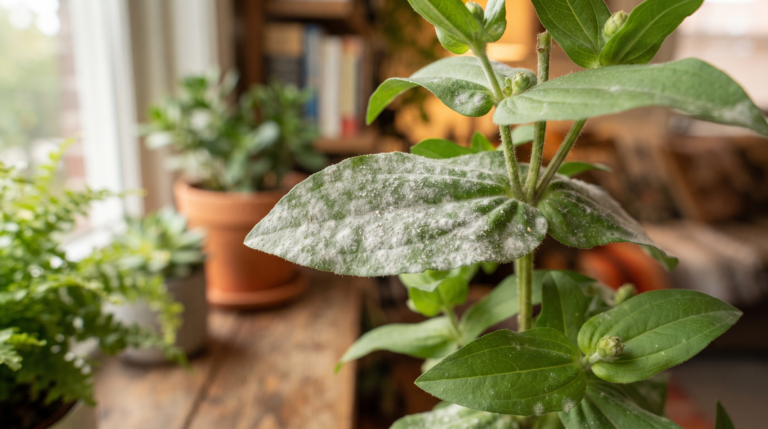
- Fuzzy white or gray mold on the soil surface
- Seeds that rot before they ever sprout
- Whole patches collapsing over a day or two
Unlike simple wilting from underwatering (where the whole plant droops but the stem stays firm), damping off leaves that pinched, weak stem base. Once a seedling has fallen from damping off, it can't be saved—but you can stop it from spreading.
Step 2: Understand the Causes
Damping off is caused by several soil-borne fungi (like *Pythium*, *Fusarium*, and *Rhizoctonia*) that thrive in the exact conditions many beginners accidentally create.
The usual culprits
- Overwatering / soggy soil — the number one cause. Fungi love wet, airless mix.
- Poor air circulation — stagnant, humid air lets fungus flourish.
- Reused, unsterile pots or garden soil — these carry fungal spores.
- Cold, damp conditions — slow-growing seedlings are more vulnerable.
- Sowing too thickly — crowded seedlings stay damp and can't dry out.
If you struggle with knowing when 'moist' becomes 'too wet,' our guide to watering houseplants explains the finger-test that applies here too.
Step 3: Fixes for a Tray That's Already Infected
You can't cure a collapsed seedling, but you can protect the survivors. Act quickly:
1. Remove affected seedlings immediately, along with the soil right around them. 2. Stop overwatering. Let the surface dry slightly before you water again. 3. Water from the bottom by setting trays in a shallow dish so the surface stays drier. 4. Increase air flow with a small fan on a low setting nearby. 5. Improve light so seedlings grow sturdy and fast—weak, leggy plants are more vulnerable. 6. Sprinkle a thin layer of cinnamon on the soil surface; it has mild natural antifungal properties.
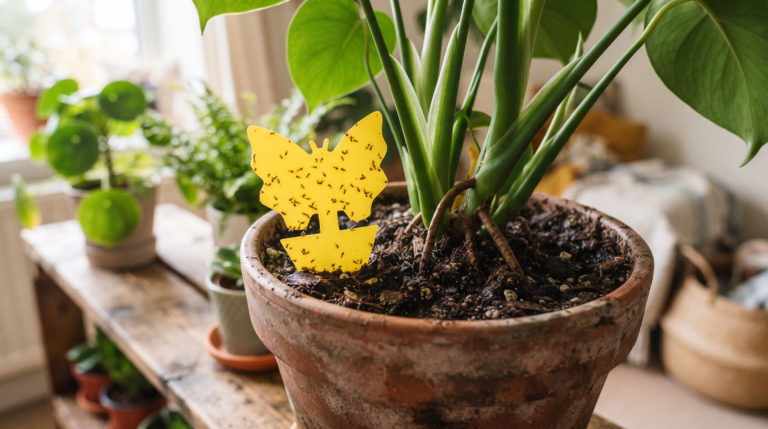
If you also spot tiny flying insects, that's a different (but related) moisture problem—see how to get rid of fungus gnats.
Step 4: Prevention for Your Next Batch
Prevention is where you truly win against damping off. Set yourself up right and you may never see it again.
Before you sow
- Use a fresh, sterile seed-starting mix—never garden soil.
- Clean and disinfect reused trays and pots (a 1:9 bleach-to-water soak, then rinse).
- Make sure containers have good drainage holes.
While seedlings grow
- Don't overwater—keep the mix moist, not soaked, and water from the bottom.
- Provide bright light for 14–16 hours a day for strong, quick growth.
- Run a gentle fan for air circulation.
- Thin crowded seedlings so each has breathing room.
- Remove humidity domes once most seeds have sprouted.
Timing matters too—starting seeds at the right moment for your region keeps them growing vigorously. Our guide on when to start seeds indoors can help you plan, generally 4–8 weeks before your last frost depending on your USDA zone.
Tips
- Always start with fresh, sterile seed-starting mix—this single habit prevents most cases.
- Water from the bottom to keep the soil surface drier and less inviting to fungus.
- A small oscillating fan on low strengthens stems and dries out damp air.
- Skip the humidity dome once seedlings emerge; trapped moisture invites trouble.
- Bright light for 14–16 hours grows sturdy seedlings that resist disease.
- A light dusting of cinnamon on the soil surface is a gentle natural antifungal.
Common Problems
Seedlings pinch and fall over at the soil line
Classic damping off. Remove the fallen seedlings and surrounding soil, stop overwatering, add air circulation, and water from the bottom to protect the survivors.
White fuzzy mold on the soil surface
Too much moisture and stagnant air. Let the surface dry between waterings, add a fan, remove any humidity dome, and dust lightly with cinnamon.
Seeds rot before sprouting
Usually soggy, cold soil. Use fresh sterile mix, ensure drainage, keep the mix warm (a seedling heat mat helps), and avoid overwatering.
Survivors look pale, thin, and leggy
Not enough light. Move seedlings closer to a grow light or the brightest window—strong, fast growth is your best defense against future damping off.
Varieties to Try
- Pythium — thrives in cold, waterlogged soil
- Rhizoctonia — attacks stems at the soil line in warmer conditions
- Fusarium — causes rot and wilting in seedlings
- Phytophthora — a water-mold that spreads in soggy trays
- Botrytis (gray mold) — appears as fuzzy growth in humid, crowded trays