How to Grow Strawberries in a Pot
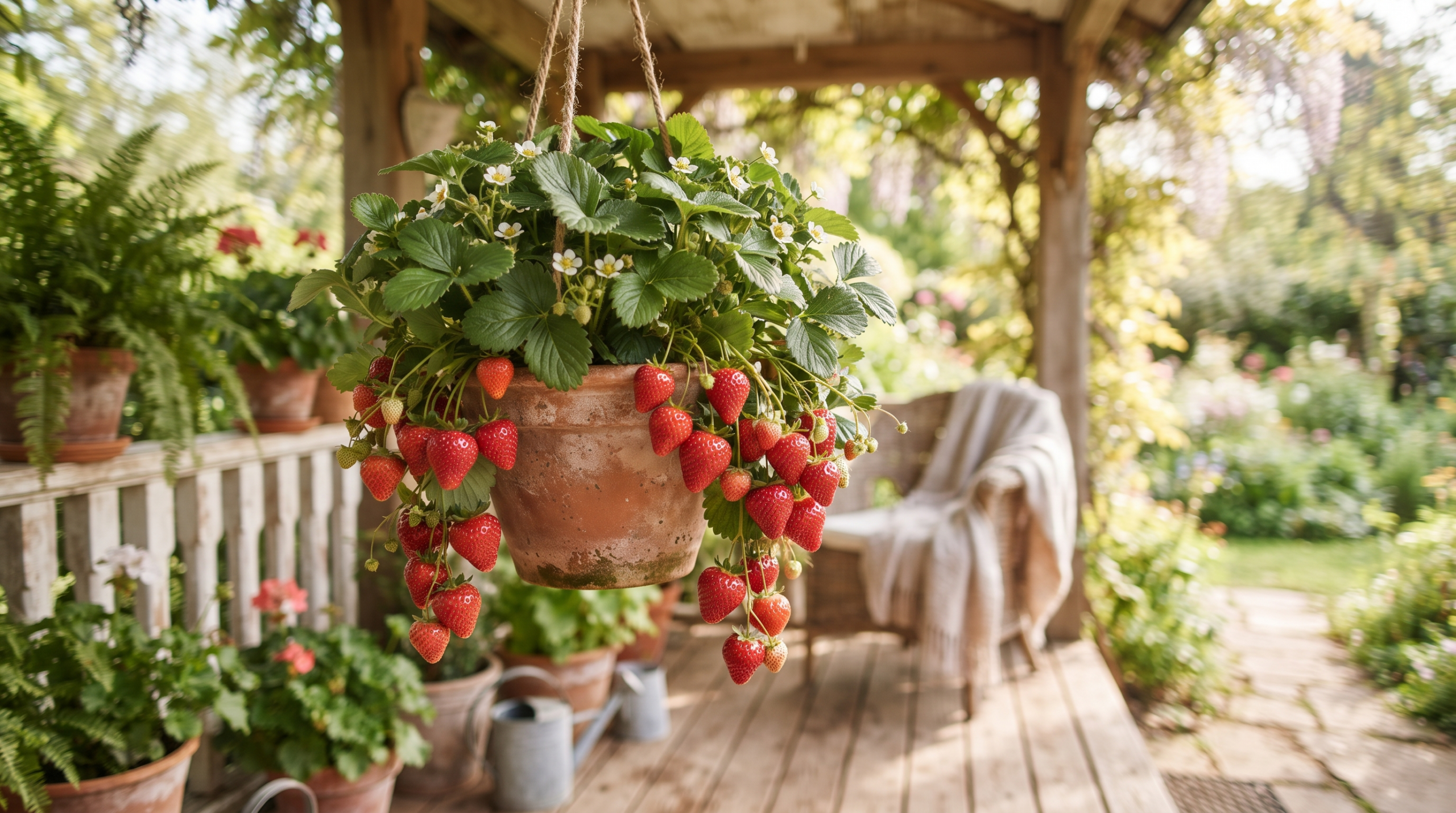
There's something deeply satisfying about picking a sun-warmed strawberry right off your own patio plant and popping it straight into your mouth. The good news? You don't need a big yard to grow them—a single pot on a balcony or porch will do beautifully. Strawberries are one of my favorite starter fruits because they reward you fast and forgive a lot of beginner mistakes.
Quick Facts
| Light | Full sun, 6–8 hours daily |
| Water | Consistent moisture; water when top inch of soil is dry |
| Soil | Rich, well-draining potting mix, slightly acidic (pH 5.5–6.5) |
| Difficulty | Easy |
| Time to Maturity | 4–6 weeks from flower to ripe fruit; June-bearers fruit in one big flush, everbearers over the season |
| USDA Zone | Grows in zones 3–10 depending on variety; overwinter protection needed in cold zones |
Choose the Right Pot and Soil
Strawberries have shallow, spreading roots, so you want width more than depth.
- Pick a pot at least 10–12 inches wide for one plant, or a larger trough or strawberry pot for several.
- Make sure it has drainage holes—strawberries hate soggy feet and will rot without them.
- Fill with a quality potting mix (not garden soil) blended with a couple handfuls of compost for a nutrient boost.
Strawberries prefer slightly acidic soil. If your plants look pale, a mix formulated for acid-loving plants can help. Good drainage is the single most important thing to get right, just like it is when you water houseplants correctly.
Planting Your Strawberries
You can start from bare-root crowns or young nursery plants. Nursery starts are the easiest for beginners.
When to plant
- Plant outdoors 2–4 weeks before your last expected frost, once the worst of the cold has passed.
- In warm zones (roughly USDA 8–10), you can plant in fall for a spring harvest. Not sure of your zone? Look it up with USDA hardiness zones explained.
How to plant
- Set each crown so the base of the leaves sits right at the soil line—burying the crown causes rot, planting too high dries it out.
- Space multiple plants about 8–10 inches apart.
- Water in gently after planting.
Sun, Water, and Feeding
Strawberries are sun lovers and need 6–8 hours of direct sun to produce sweet fruit. A south- or west-facing spot is ideal.
Watering
- Container soil dries fast, so check daily in warm weather.
- Water when the top inch feels dry, aiming at the soil rather than the leaves to prevent disease.
- Consistent moisture equals plump, juicy berries; erratic watering makes them small and sour.
Feeding
- Feed every 2–3 weeks with a balanced liquid fertilizer during the growing and fruiting season.
- Pinch off the first round of flowers on new plants to encourage stronger roots—it feels harsh, but you'll get a better harvest for it.
Harvesting and Overwintering
Berries are ready 4–6 weeks after flowering, when they're fully red all over with no white shoulders.
- Harvest in the morning when berries are cool and firm.
- Snip or pinch the stem rather than tugging the fruit, which can damage the plant.
- Pick every couple of days at peak season to keep production going.
Overwintering in cold zones
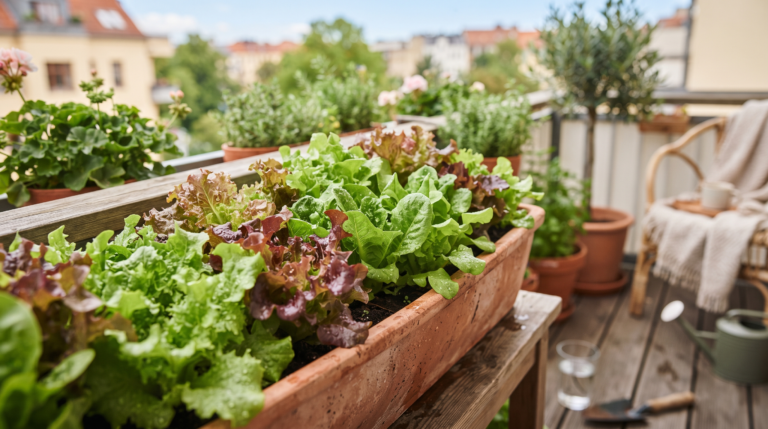
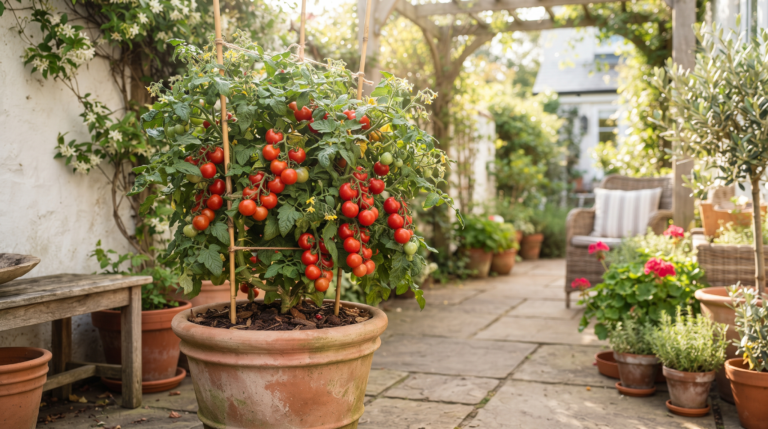
In zones 3–6, protect pots over winter by moving them into an unheated garage or shed, or by mulching heavily. In milder zones, plants often overwinter outdoors just fine. If you enjoy this low-fuss container growing, you might also like growing lettuce in containers and how to grow tomatoes in pots.
Tips
- Tuck straw or mulch under the berries to keep them off wet soil and prevent rot.
- Rotate the pot every few days so all sides get even sun and ripen together.
- Everbearing and day-neutral types are great for containers—they fruit in smaller waves all season.
- Snip off runners (baby plant offshoots) if you want more fruit; let them root in a nearby pot if you want free new plants.
- Cover pots with netting if birds discover your ripening berries before you do.
Common Problems
Small, sour, or misshapen berries
Usually from too little sun, inconsistent watering, or poor pollination. Move the pot to a sunnier spot, water evenly, and gently shake flowers or invite pollinators with nearby blooms.
Gray fuzzy mold on the fruit (botrytis)
Improve airflow, water at the soil line only, and remove affected berries immediately. Mulch under fruit to keep it off damp soil.
Pale or yellowing leaves
Often a sign of nutrient hunger or drainage issues. Feed with a balanced fertilizer and confirm the pot drains freely—see more in our guide to yellow leaves on plants.
White powdery coating on leaves
That's powdery mildew, common in crowded, humid conditions. Space plants out, boost airflow, and treat early—here's how to identify and treat powdery mildew.
Varieties to Try
- 'Seascape' – reliable day-neutral, great for containers and mild climates
- 'Albion' – everbearing with large, sweet, firm berries
- 'Ozark Beauty' – classic everbearer, cold-hardy and productive
- 'Tristar' – compact day-neutral, perfect for small pots and hanging baskets
- 'Quinault' – everbearing, good flavor and easygoing for beginners
- 'Alpine' strawberries – tiny, intensely flavored berries ideal for small spaces