What to Plant in Early Spring (Cool-Season Crops)
There's a special kind of hope in early spring, when the ground is still cool and half the garden feels like it's holding its breath. I remember my first cool-season planting years ago, tucking lettuce and peas into chilly soil while my neighbors swore it was too early. A few weeks later I was harvesting crisp greens before anyone else on the block. If you're itching to get growing, cool-season crops are the perfect way to start.
Quick Facts
| Light | 6+ hours of sun for most; leafy greens tolerate partial shade |
| Water | Consistent moisture; about 1 inch per week |
| Soil | Loose, well-draining soil rich in organic matter |
| Difficulty | Beginner-friendly |
| Time to Maturity | Roughly 30–70 days depending on the crop |
| USDA Zone | Works in most zones—timing shifts with your last frost date |
What Makes a Crop "Cool-Season"
Cool-season crops love the mild temperatures of early spring (and fall). They actually thrive when the weather is between roughly 40–70°F, and many can shrug off a light frost. Once summer heat arrives, these plants tend to "bolt" (send up flowers and turn bitter), so the trick is getting them in the ground early.
Common cool-season crops include:
- Leafy greens: lettuce, spinach, arugula, kale, Swiss chard
- Roots: radishes, carrots, beets, turnips
- Brassicas: broccoli, cauliflower, cabbage
- Legumes: peas
- Alliums: onions, green onions
Many of these are forgiving enough for a first-time gardener, which is why they're a great launch point for your first vegetable garden.
Timing It Right (This Depends on Your Zone)
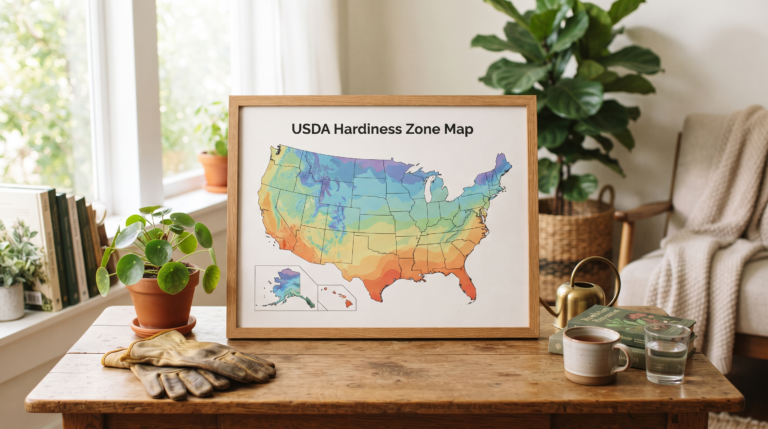
Here's the honest truth: there's no magic calendar date. When you plant depends entirely on your last expected frost date, which varies by your USDA hardiness zone.
A simple way to think about it
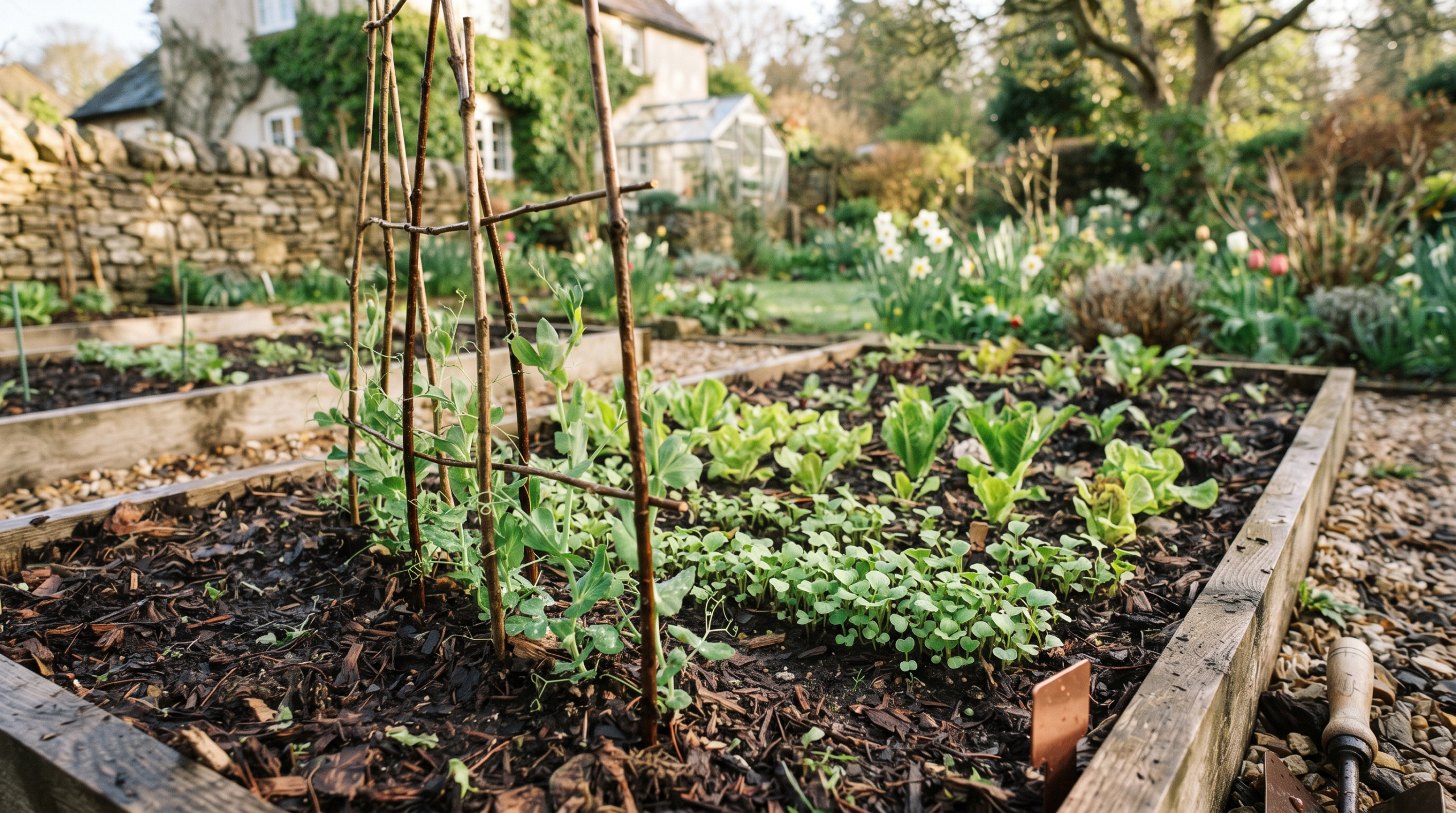
- 4–6 weeks before your last frost: direct-sow the toughest crops—peas, spinach, radishes, lettuce—as soon as soil is workable (not frozen or soggy).
- 2–4 weeks before your last frost: transplant hardened-off broccoli, cabbage, and onions.
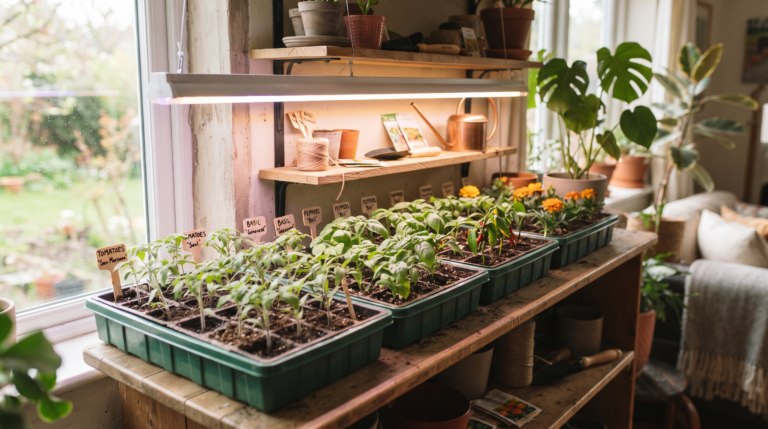
- Started indoors: brassicas and onions often do best when started ahead of time—see when to start seeds indoors.
Not sure what zone you're in? It's worth a two-minute check. Read USDA hardiness zones explained and find your zone before you plant a single seed—everything else flows from that number and your local frost dates.
Getting the Soil Ready
Cool-season crops reward a little prep. Wait until the soil is workable—if you grab a handful and it stays in a soggy clump, it's too wet; give it a few more days.
- Loosen the top 6–8 inches so roots and delicate carrots can grow straight.
- Mix in a couple inches of compost for nutrients and better drainage.
- Rake the surface smooth for even seed sowing.
Many greens and roots can be sown directly where they'll grow. If you're short on space, don't worry—lettuce and greens are happy in pots too. See growing lettuce in containers for a small-space setup.
Planting and Early Care
Sowing
Follow seed-packet depth guidelines (a good rule: plant about two to three times as deep as the seed is wide). Small seeds like lettuce barely need covering.
Watering
Keep the soil consistently moist while seeds germinate—never let it dry out completely. Once established, aim for about an inch of water per week, including rain.
Spacing and thinning
Crowded seedlings compete and stay small. Thin them to the spacing on the packet once they have a couple of true leaves. It feels harsh, but it's the kindest thing for the plants that remain.
Protecting from surprise cold
Even cold-tolerant crops appreciate protection during a hard freeze. A row cover or an old sheet draped overnight can save tender seedlings from an unexpected cold snap. If you also want a quick, no-fail win while you wait, try regrowing green onions on your windowsill.
Tips
- Sow lettuce and radishes in small batches every 2 weeks for a steady harvest instead of one big glut.
- Harvest leafy greens in the morning when they're crisp and full of moisture.
- Pick outer leaves of lettuce and kale so the plant keeps producing.
- Mulch lightly to keep soil cool and moist as temperatures climb.
- Watch the forecast, not the calendar—your last frost date is a guide, not a guarantee.
Common Problems
Seedlings flop over and collapse at the soil line.
This is often damping-off, caused by overly wet soil and poor airflow. Water less, improve drainage, and thin crowded plants. See why are my seedlings falling over.
Plants suddenly shoot up tall stalks and turn bitter.
That's bolting, triggered by heat. Harvest promptly, plant earlier next time, and choose slow-to-bolt varieties.
Leaves are yellowing.
Cool, soggy soil or nutrient issues are common culprits in spring. Check drainage and feeding—yellow leaves on plants walks through the causes.
Tiny holes chewed in leafy greens.
Likely flea beetles or cabbage pests. Use floating row covers early and inspect undersides of leaves regularly.
Varieties to Try
- 'Buttercrunch' lettuce — heat-tolerant and slow to bolt
- 'Bloomsdale' spinach — cold-hardy with tender leaves
- 'Cherry Belle' radish — ready in about 25 days
- 'Sugar Snap' peas — sweet and easy to trellis
- 'Lacinato' (dinosaur) kale — sturdy and productive
- 'Detroit Dark Red' beet — reliable for beginners